
Temperature
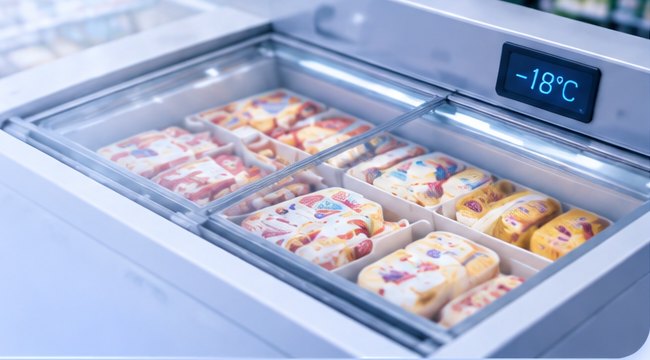
One long power cut or control fault writes off the whole cabinet — invisibly, from the outside.
Solutions · Ice cream coolers
Ice cream carries one more layer of terminal problems than ambient categories — temperature, season and in-cabinet density. Any one of them failing turns directly into loss or missed sales.
Figures from the Sentry Retail Execution White Paper (2026): industry research and customer-practice baselines. Actual results depend on the project scene and data conditions.
01What's different
One long power cut or control fault writes off the whole cabinet — invisibly, from the outside.
The peak season lasts a few months. One display mistake or an unprepared start cannot be made up in the off-season.
Packed cabinets hide OOS and cross-placement better than ambient shelves; the eye cannot cover it all.
02What Sentry does
In-cabinet temperature curves and offline alerts; exceptions become work orders before anything is written off.
Shelf level, orientation, facings and in-cabinet density, calibrated to ice cream grading rules.
SKU-level OOS and consecutive-gap detection, with higher cadence in the peak season.
Temperature, display, OOS and sales in one view, to judge which coolers deserve more investment.
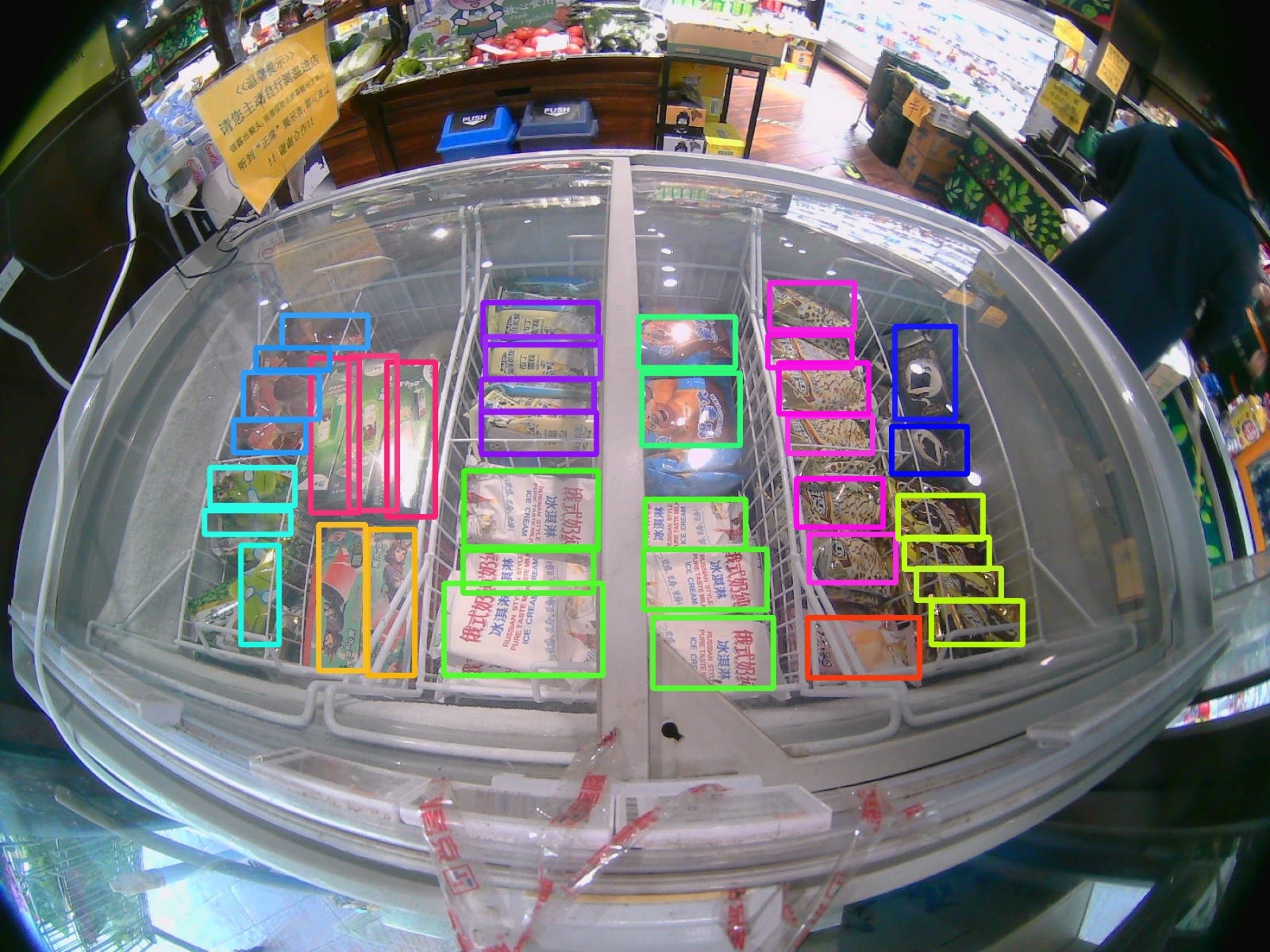 Actual detection output
View larger ↗
03The rhythm
Count the registered fleet; confirm ID, position, ownership and temperature-control status.
Connect temperature data and the store capture flow; agree the peak-season grading rules.
Sampled review of display and OOS grading establishes the customer baseline.
Recognition cadence rises; exceptions go straight to work orders and restock tasks.
After the season, review per-cooler output as the basis for next year's additions and withdrawals.
04Outputs
| Metric | Definition | Grain | Update |
|---|---|---|---|
| Temperature excursion time | Cumulative time outside the agreed temperature band | Per cooler | Real time |
| Display compliance rate | Share of stores meeting the ice cream display rules | Store / region | Daily |
| Peak-season OOS rate | Share of stores with hero SKUs out of stock during the peak season | Store / SKU | Daily |
| Per-cooler sell-through | Peak-season sales and turnover of the cooler's linked SKUs | Per cooler | Weekly |
05FAQ
Three extra variables: temperature swings write off product directly, sell-through depends heavily on the season, and high in-cabinet density makes OOS and cross-placement harder to see. Sentry builds separate grading rules for each.
From the cabinet's own temperature-control module or added sensors. Brands already collecting temperature data connect directly; otherwise we assess whether to add sensing.
Complete a fleet health check and display calibration before the season starts, so in-season data is comparable.
Not quite. Ice cream depends more on shelf level, orientation and in-cabinet density, and tolerates empty slots far less.
06Related scenarios
Next step
Send us the cooler ledger and last season's sell-through; we produce a pre-season fleet-health and display baseline.