MightytechBook a demo

About us

Eight years in FMCG retail,
doing the one thing that makes it visible.

Mightytech is an AI operations company focused on retail asset efficiency for FMCG. Our product Sentry answers one question: what is every cooler we deploy actually producing?

8 years terminal digitisation100+ brand customersISO 9001 · 27001
8yrsFMCG terminal digitisation projects
100+brand & channel customers
1Mterminal & SKU data samples
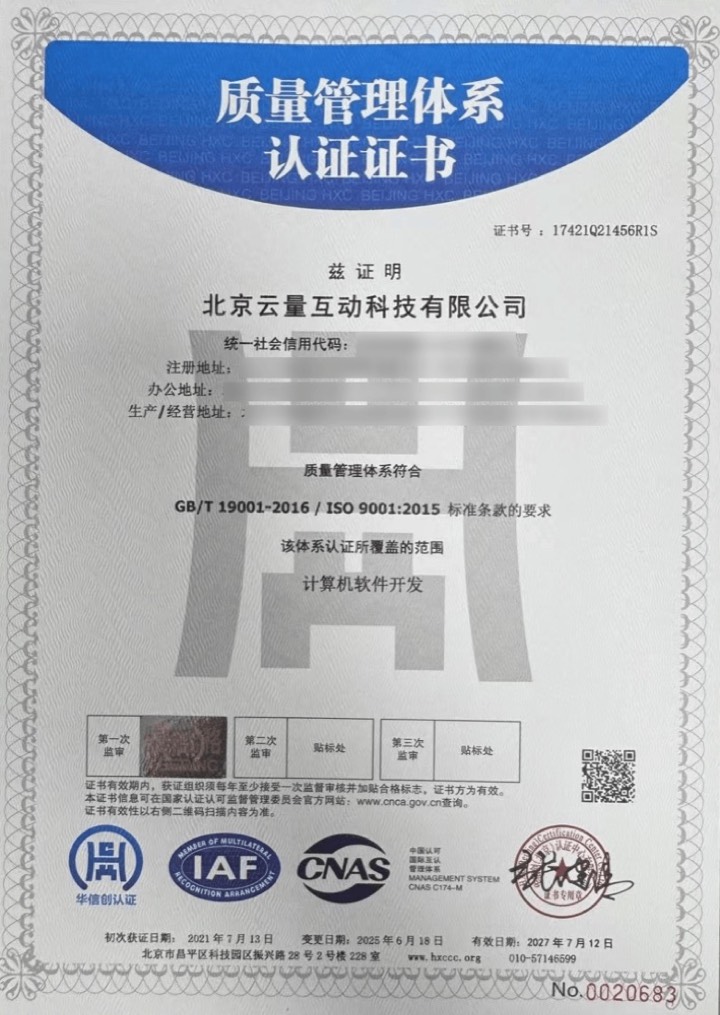
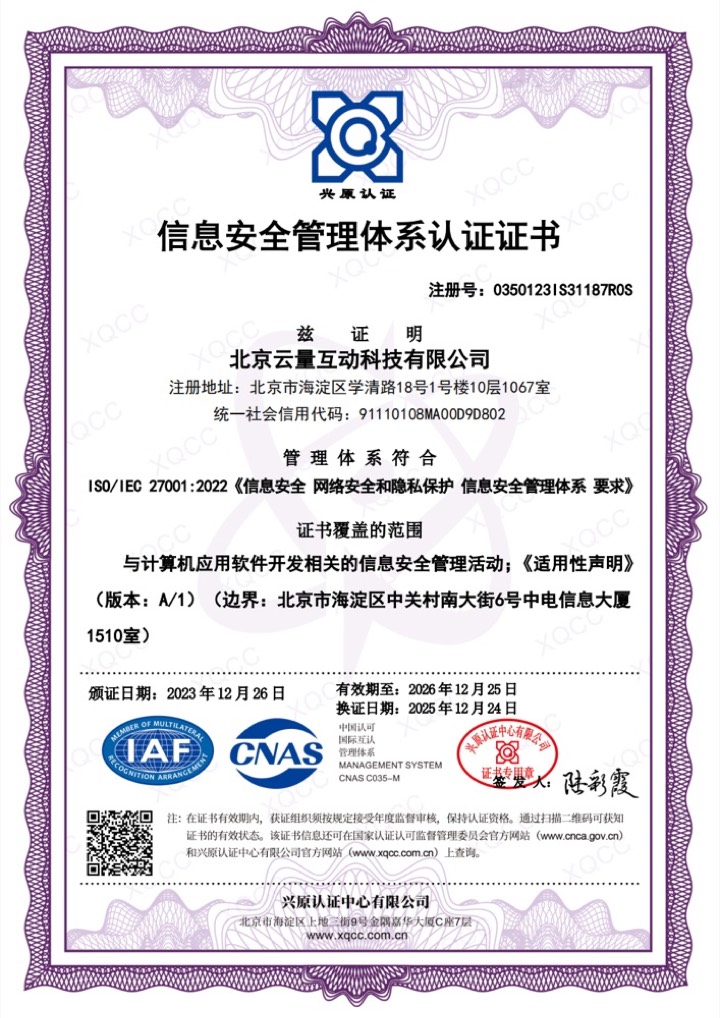
ISO 9001 · 27001Quality & information security management certified

01Who we are

The company that brought computer vision into stores.

Beijing Mightytech Technology Co., Ltd. was founded in Beijing and has productised computer vision for FMCG retail terminals since 2017. From the first-generation shelf inspection kit SnapGo, to sell-through insight for chest freezers, to today's Sentry, our direction has not changed: turn what cannot be seen on the store floor into data that can be counted.

Most of the money in FMCG is spent at the terminal — coolers, shelves, displays, promotions. Yet these investments have long been a black box: how many units were deployed, where they stand, what state they are in, what they produce. What headquarters receives is usually a regional aggregate, not evidence from the field.

What we do is give every terminal a traceable data record: where it is, who owns it, what it sold today, whether anything is out of stock, whether the display complies, whether it is worth continuing to invest. Then we turn that record into a task list that can be sent out directly.

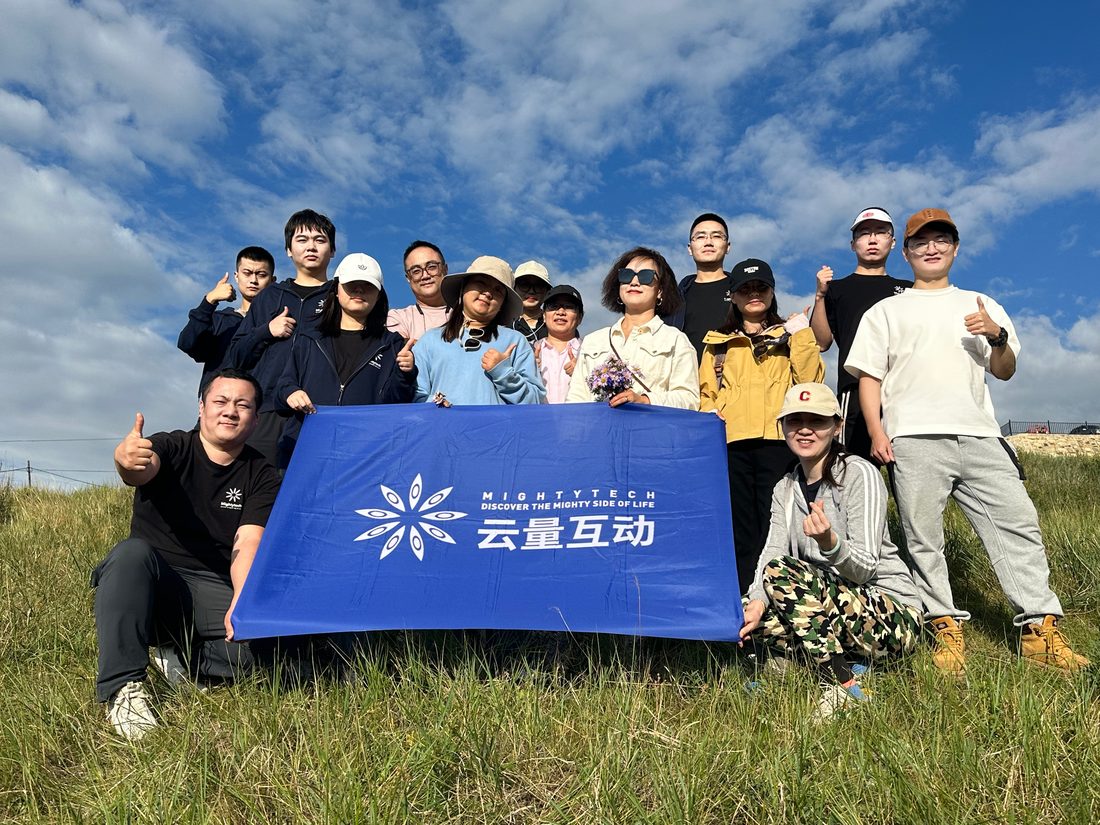
Mightytech team outdoors, holding the company flag

02Who we serve

We sell this to three kinds of companies.

FMCG brand owners

You own or have deployed large numbers of coolers and shelves, and need to know what every terminal is producing and where execution is leaking.

Typical decisionWhich outlets to add, which low-ROI units to pull, and what metric to use for execution reviews.

Distributors & channel operators

You manage terminal assets and store execution on behalf of brands, and need to show them that the agreed work was actually done.

Typical decisionHow to replace verbal reporting with verifiable records, and how to move visit manpower from blanket coverage to targeted checks.

Retail & convenience chains

Many stores, small footprints, fast turnover — you need visibility into displays and out-of-stocks without adding headcount.

Typical decisionWhich stores to replenish first, and which display standards simply do not fit this store format.

What these three customers share is not an industry but one structural problem: the terminal assets have reached real scale, while management granularity is still stuck at the region. The bigger the fleet, the more that gap costs. If you only run a few dozen terminals that people can watch by hand, you do not need us.

03The problem

Three typical pain points in FMCG terminal management.

Deployment is a black box; output cannot be accounted for

The full lifecycle cost of a commercial cooler includes equipment amortisation, deployment logistics, maintenance, electricity and refill labour. Brands can usually state the total investment but not the output of a single unit — because sales data is aggregated by store or region while the cooler ledger is kept by equipment number, and the two systems have never been reconciled.

The result is that regional reporting mixes healthy coolers with idle ones, the average looks fine, and nobody knows which units should be pulled. Until these two numbers enter the accounting, every per-cooler ROI figure is wrong.

18%–22%of commercial freezers suffer abnormal power loss
30%–45%of normally powered units have allocated space occupied by competitor products

Industry survey baseline, from the Sentry Retail Execution White Paper (2026)

Execution relies on people; evidence relies on photos

Store execution depends on field reps and store staff. A visit produces a few photos, sent back to the area manager, who glances and judges "fine". Those photos sit in phones and chat threads — never accumulated, never compared, never forming a record. By the quarterly review, nobody can say what actually happened over the past three months.

Then there is trust. Reused old photos, photographing a screen, snapping one tidy corner to close the task — none of this is rare in the industry. Without recognition and an audit trail, the entire management cost is passed on to "send more people to spot-check", and spot-check coverage never rises.

Problems get found, but nothing closes the loop

This is the most common and hardest layer. The data platform flags an anomaly in red, the area manager receives a list — and then what? If an anomaly does not land on a specific person, a specific time and a verifiable result, it is just one more red row in a report, and the same problem reappears next week.

Closing the loop takes three things in place at once; miss any one and the loop breaks:

  1. Anomalies precise to the unit"Which SKU in which cooler", not "the OOS rate in some region is high".
  2. Owner matched automaticallyBased on the cooler ledger and org structure, routed directly to the person responsible.
  3. Results flow back for reviewExecution results return to the system for verification and feed the next round of judgement.

04Evolution

From one line of code to a cooler in the field — eight years.

Sentry is the newest form of this path, not its starting point. Elsa, Eagle Eye, SnapGo, Queying and Hongque are the brands this product line carried at different stages; the capabilities and data model carry through to today.

  • 2017

    Built the first-generation SnapGo shelf inspection kit, bringing computer vision into stores.

  • 2018

    Launched Queying, a hardware-software integrated inventory insight product — a first in China — and joined the Microsoft accelerator.

  • 2019

    Launched Hongque, a sell-through insight platform for chest freezers, deployed with a leading Chinese dairy manufacturer; signed a strategic partnership with Haier Commercial Freezers.

  • 2020

    Named Microsoft ISV Partner of the Year; granted a design patent for refrigerated cabinets and a utility model patent for smart coolers.

  • 2021

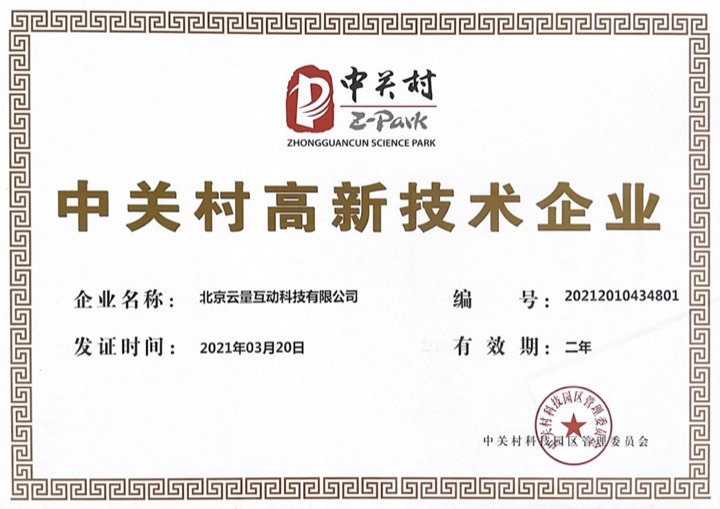
    Certified to ISO 9001; recognised as a Zhongguancun high-tech enterprise.

  • 2022

    Joined the Mengniu Group · Haier Hichain health-tech accelerator.

  • 2026

    Launched globally under the Sentry brand at NRF APAC in Singapore, presenting the next-generation digital cooler solution.

05Customers & ecosystem

Who we build this with.

Mengniu
MARS China
Orion
CNPC
Universal Beijing Resort
NCR
Microsoft
Amazon Web Services
Vianet
Shunwang i-Café
UCB
SVU

06Values

Five lines, on our own wall.

  • Vision

    A new engine for new retail

  • Mission

    Good for society · Value for customers · Happiness for employees

  • Principles

    Quality, responsibility, shared success

  • Innovation

    Win at every terminal, together with our customers

  • Goal

    Independent R&D, industry leadership

07What we are here to do

Together with our customers,
win at every terminal, every SKU, every channel, and into the future.

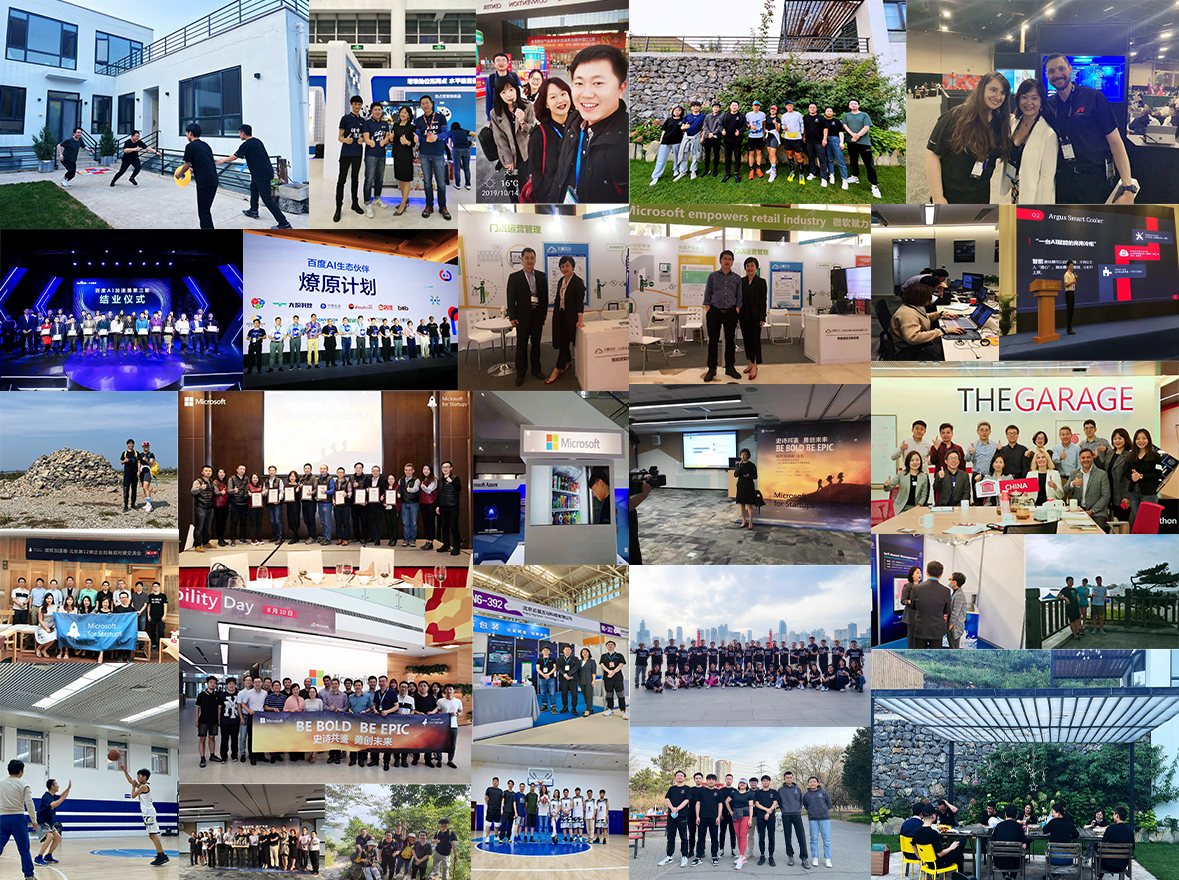
The Mightytech team at work

08Credentials & certifications

Every certificate, on this wall.

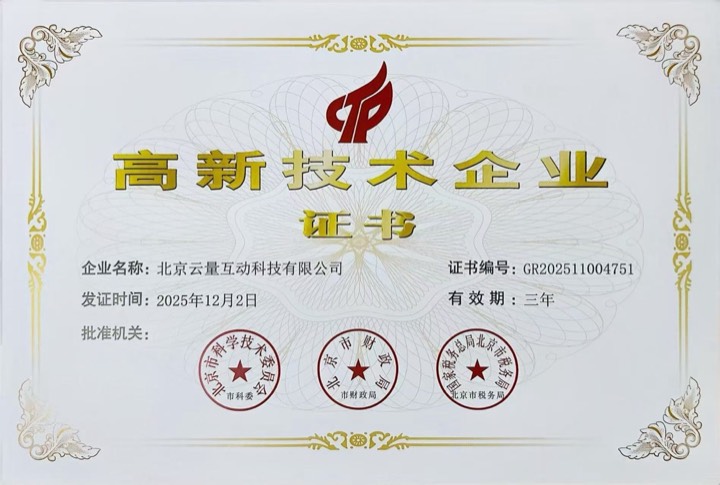
These are the company's third-party certifications and government recognitions, shown as scans of the original certificates in a continuous scroll; click any of them to view the original in full size.

National High-Tech Enterprise certificate
ISO 9001:2015 quality management system certificate
ISO/IEC 27001:2022 information security management system certificate
Zhongguancun high-tech enterprise certificate
Beijing Specialised and Innovative SME certificate
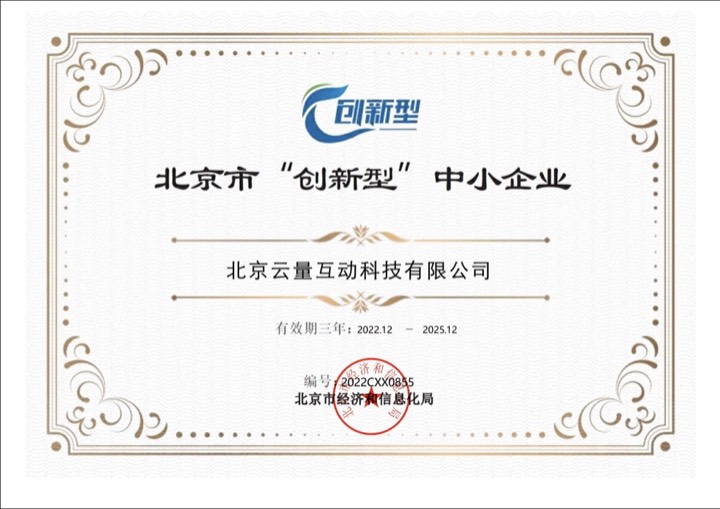
Beijing Innovative SME certificate
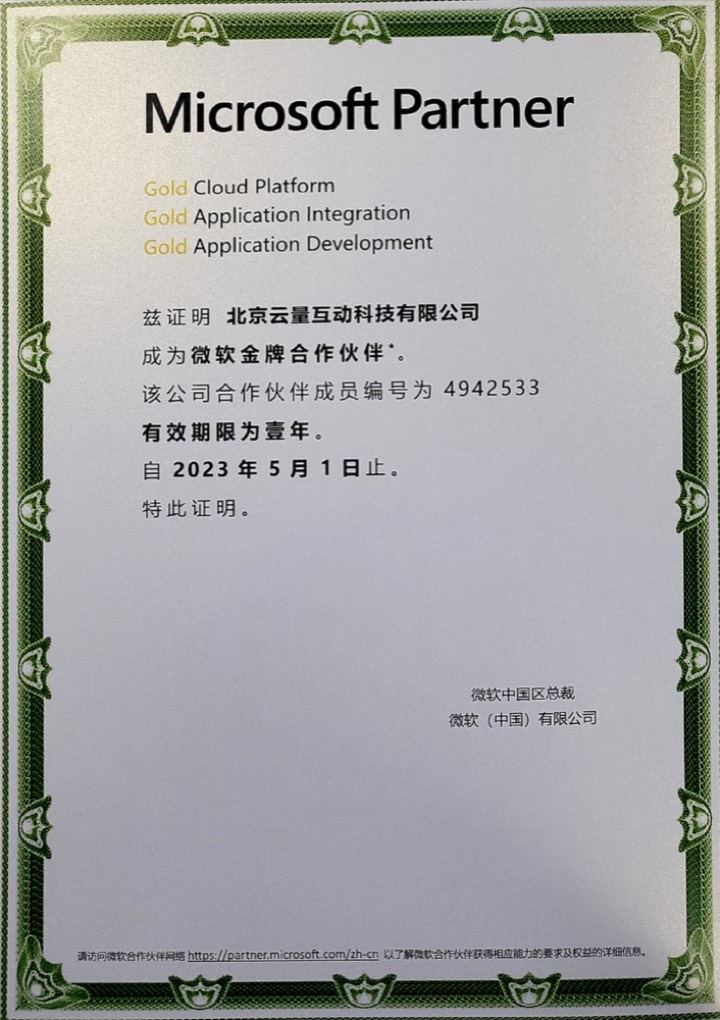
Microsoft Gold Partner certificate

Next steps

Want to talk about your coolers?
We are ready when you are.

Give us a fleet of terminal assets and sales data, and we will run a round of ROI evaluation with Sentry — flagging low-ROI placements, out-of-stock risks and display problems directly.