2021-05-17 · Industry reprint · Li Qinglin
Ten thousand freezers deployed, sales flat — where is the problem?
As the ice cream industry enters its peak selling season, product sell-through has become the topic brands and distributors care about most.
Sell-through means sales, and sales growth depends on maintaining the retail terminals.
But as channels diversify, maintaining offline terminals keeps getting harder in two ways: the cost of terminal maintenance keeps rising, and auditing terminals keeps getting more difficult.
Traditional ice cream channel maintenance works like this: the manufacturer provides freezers, the distributor places them with terminal customers to achieve channel coverage, and then manufacturer reps or distributor teams keep touring terminals non-stop to keep displays in order and shelves replenished, while point-of-sale visibility drives exposure and pulls sales.
Put simply, offline terminal maintenance is a war of manpower.
But as the number of outlets grows, the feedback chain gets longer and efficiency keeps falling — many outlets can no longer be monitored at all. Add rising labour costs, and the price of manpower-based terminal audits keeps climbing.
Why has this happened?
Because the traffic dividend is gone.
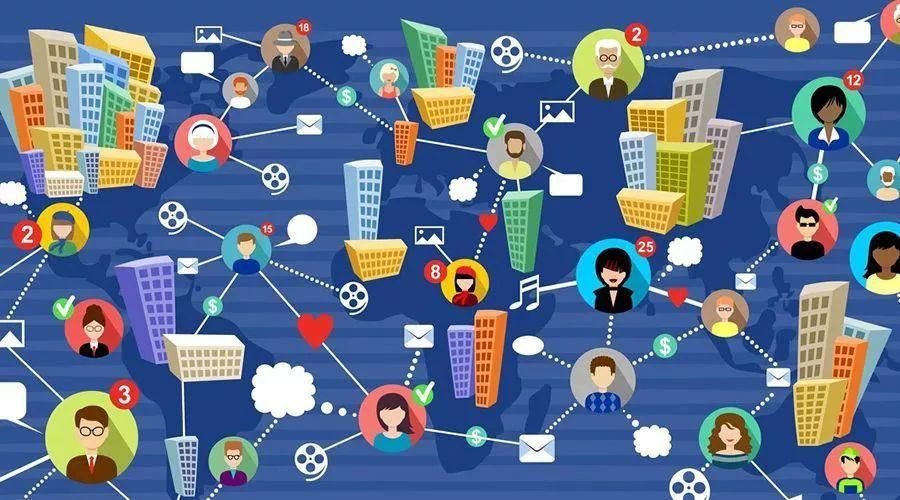
During the traffic-dividend years, the cost of offline terminal audits could be offset by the sales that new outlets generated. But now online e-commerce has taken a share of offline traffic, channels have penetrated downward until blank markets are scarce, and rough, extensive management can no longer buy high efficiency at low cost.
A frontline rep once told me their daily store-visit quota ran to dozens of stores. That means no rep can give any store careful service; under strict KPIs, cursory box-ticking visits become the norm.
The result: brands and distributors cannot grasp product sell-through quickly or accurately.
Late replenishment in peak season, sales data you cannot get hold of, freezer displays you cannot see — these are the three great pain points of the ice cream industry today.
Digital upgrading in the ice cream industry
The FMCG industry is now moving from the era of traffic dividends into a digital era.
What does digitalisation mean for the ice cream industry?
Digitalisation means using more scientific, more efficient methods to raise our efficiency.
So how exactly does digitalisation change the way we work?
In ice cream, a brand completes the first move of inventory when distributors place paid orders — step one of the product entering the channel. Next, distributors push the goods through their own outlet networks into the freezers of terminal stores — the second move, one step closer to the consumer.
But for a brand or distributor to know what actually sold, which products sell well, and whether a terminal customer needs replenishment — what then?
Every day reps follow their fixed routes, visit customers, tidy freezer displays, check which products need restocking, and pass orders back to the distributor for replenishment.
The work repeats, day after day, always the same.
Yet we find that manpower-based auditing alone cannot give brands or distributors a fast, effective grasp of terminal sales.
Because the outlets keep multiplying, and the reps are still the same few.
This is where digitalisation is needed to manage terminal outlets effectively.
Some will say: we have already gone digital — electronic ordering, automatic replenishment systems, more advanced financial software.
But those tools only raise work efficiency; they do not close the loop from inventory management to terminal auditing. That still takes human audits.
So how does the ice cream industry achieve a genuine digital upgrade?
The freezer is a core component of ice cream's terminal sales. Every freezer is not just a brand ambassador but the key to selling ice cream: like a shelf, the freezer is both the window where the product is displayed and the yardstick of sales. So how do you give a freezer digital capability — make it smarter?
Recently Beijing Mightytech Technology Co., Ltd. (北京云量互动科技有限公司) delivered just such a digital solution for smart freezers to the ice cream industry.
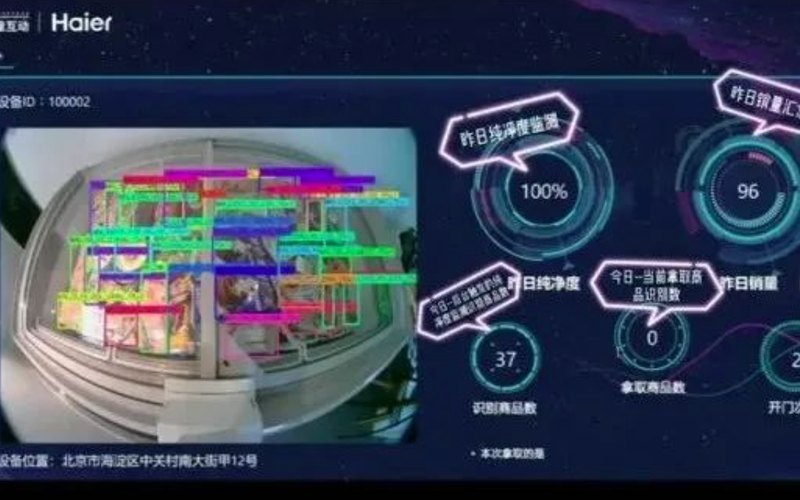
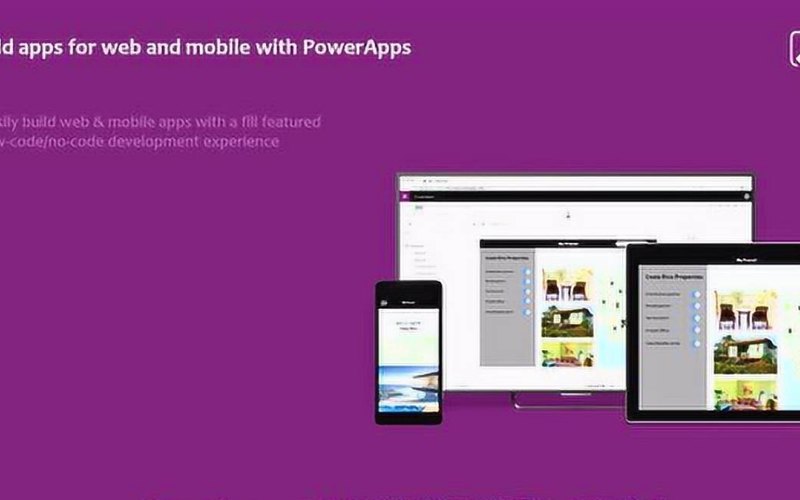
Mightytech's smart freezer keeps 24-hour surveillance through a high-definition camera, instantly collecting data on door-openings, display state and product sales, applying an advanced AI model to analyse per-SKU sell-through, and visualising everything in real time through Microsoft Power BI. Brands and distributors can monitor ice cream displays and dynamic sales from a PC or phone, anytime, anywhere.
Supported by advanced hardware and software, you can monitor the sell-through of every smart freezer at once — whether displays meet standard, which products sell best, which stores are moving well — and set out-of-stock alerts that feed suppliers immediately, so the peak season never runs dry.
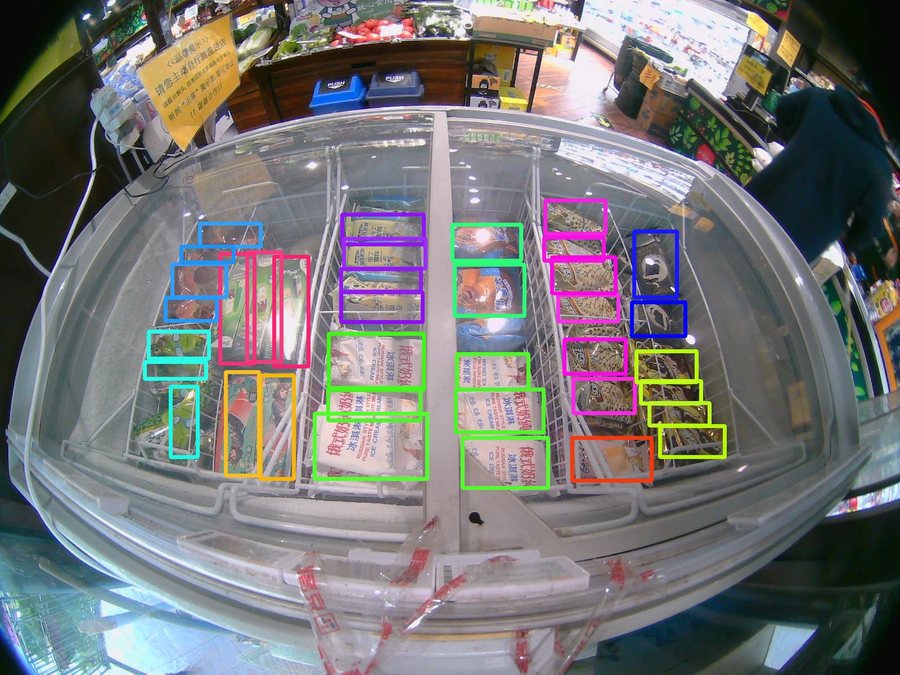
A freezer under high-definition camera monitoring
The smart freezer's algorithms, back end and data are all Mightytech's own, and the whole solution, the hardware and the data APIs can be customised per customer — flexible by design.
One tap digitalises a terminal freezer: without leaving their desks, managers can see, across every channel, the SKU categories, location, count, purity, out-of-stock rate and foot traffic of every smart freezer — helping brands and distributors truly hold the terminal.
First, the ice cream brands. Every year brands deploy enormous numbers of freezers to the market. Mightytech's smart freezers let brands run market data analysis scientifically and supply first-hand material for brand-building, while visual camera data gives big-data analysis of new-product sell-through and of the regions that sell best — a scientific basis for strategic decisions.
Second, distributors. Smart freezers help distributors read their regional markets better and carry out visual audits of exclusive placements, while the smart replenishment system warns them in time so no out-of-stock is missed. That strips unnecessary routine from the reps' workload and frees their hours for relationship maintenance and opening new outlets.
Third, ice cream chain home-delivery stores — the retail format that uses the most freezers. Command of every single freezer helps these stores track sell-through precisely; big-data analysis of sales helps them optimise where products sit, tune the ordering mix of best-selling SKUs, and lift sales and profit store by store.
Some will ask: what if I already own freezers? Mightytech thought of that long ago — there is no need to replace anything. Load the modular camera and edge-processing module into the freezer, activate the smart analytics service with one tap, and a traditional freezer becomes a digital tool in seconds, at minimal cost.
Mightytech's professional back-end maintenance then extracts the maximum value from every smart freezer.
On cost: a one-time investment in hardware modules, a five-year warranty from Mightytech, and an annual fee for the API data package — that is all it takes to enjoy a smart digital tool. The front-mounted edge-computing module removes any worry about future traffic or data-transmission costs, delivering genuinely optimal value.
The essence of digitalisation is cutting costs and raising efficiency
Digitalisation is not an impressive pile of hardware and software; it is a tool that truly serves us, helping us cut costs and raise efficiency.
AI, likewise, is not a flashy technology show. It grips technology and accuracy as its levers, turns moving video into quantifiable numbers, and, with a professional AI model, analyses the sell-through paths of every ice cream SKU.
Real-time dynamic data tells us which paths carry different SKUs into terminals and sell them best; which stores are the opportunity points of distribution and need to be seized first; and along which nearby consumer paths a new product should be rolled out.
Low-cost, high-efficiency terminal maintenance in ice cream creates compounding efficiency. Smart hardware plus a strong software system saves enormous labour cost — and puts people where they create the most value.
For FMCG, digital upgrading is not an elective but a requirement: with 5G arriving, smart IoT devices will become the standard equipment of the FMCG industry.